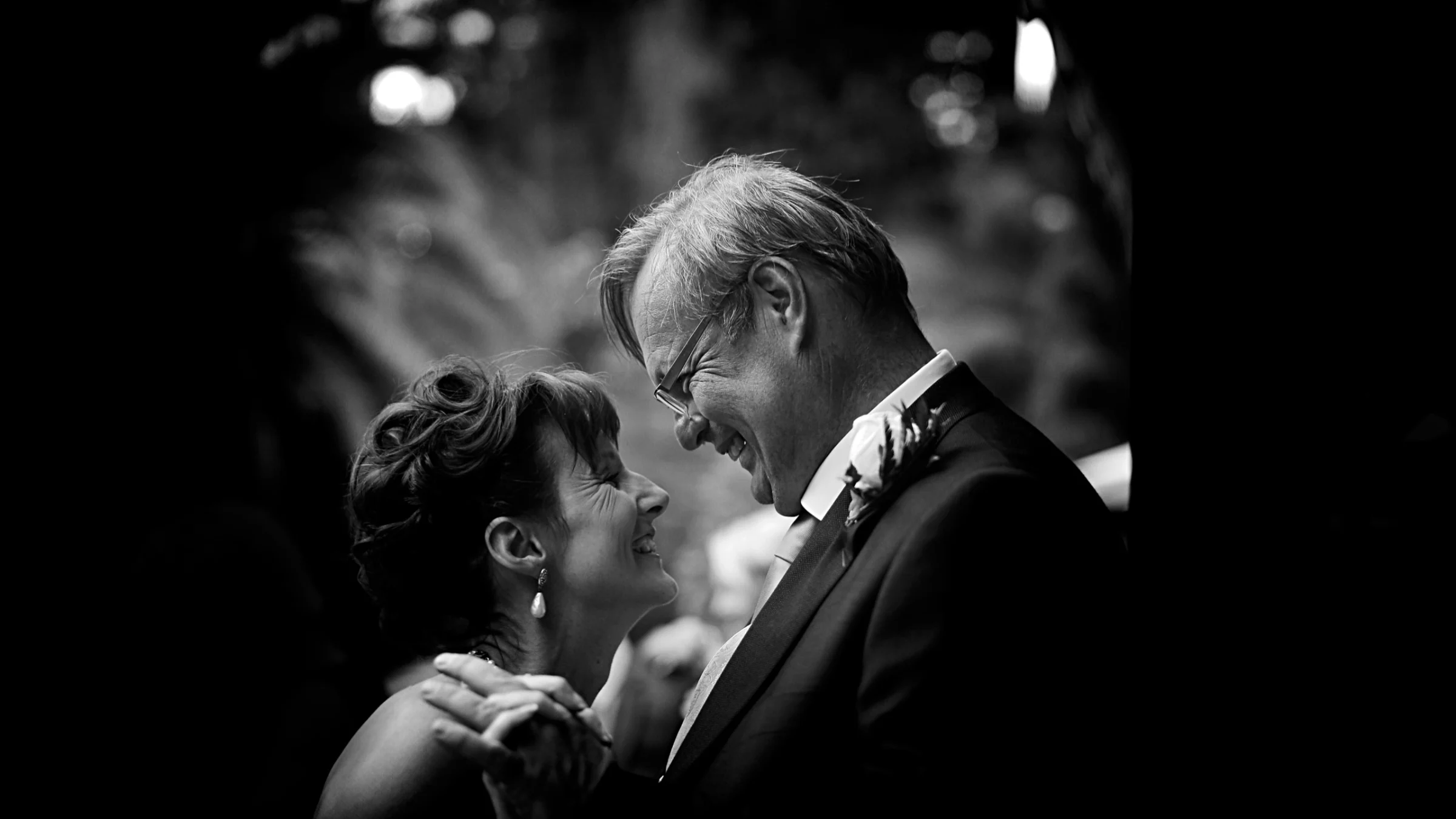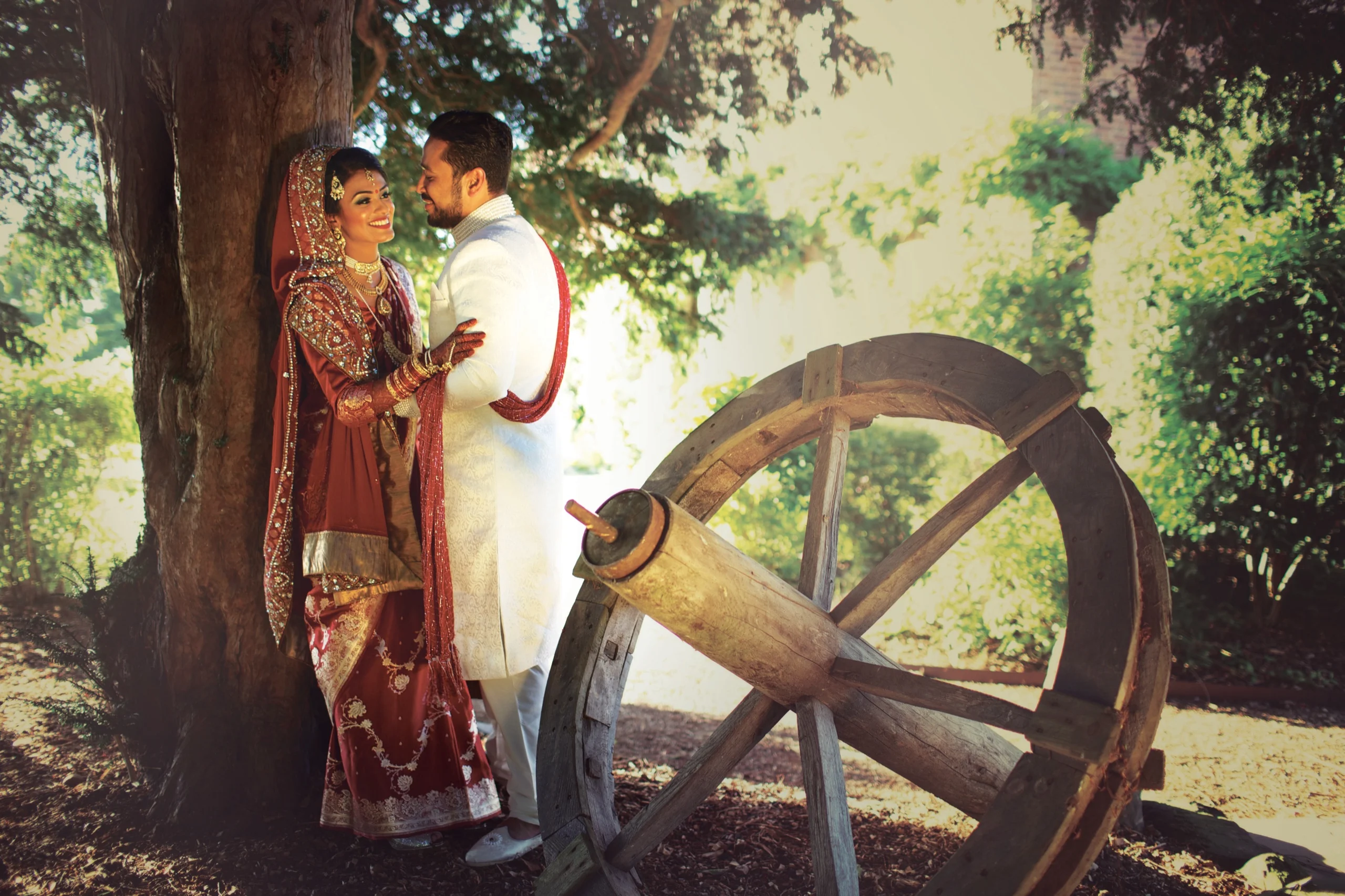
A Muslim wedding is a celebration of faith, family and community, often across several days. We photograph and film the nikah, the mehndi and the walima with care, respecting your traditions and the wishes of your family at every step.
Every family celebrates differently. Some weddings follow South Asian customs, others Arab, Turkish, Persian, North African or Malay traditions, and many blend more than one. Before your day we talk through what matters to you: who should and should not be photographed, which moments are private, and how you would like each event to feel. Then we plan our coverage around your answers, not the other way round.
The nikah, quietly and respectfully
The nikah is the heart of the day: the khutbah, the offer and acceptance, the signing of the nikah contract and the mahr, and the duas of your family. It may take place at a mosque, at home or at your venue. We move quietly, never use flash during the ceremony, and always follow the guidance of the imam and the mosque, whether that means filming from a set position, staying out of the prayer space or putting the camera down altogether for certain moments.
Mehndi, walima and everything between
- Mehndi. Henna, colour, music and the women of the family gathered together, often the most joyful and relaxed event of the week.
- The nikah. The ceremony itself, the contract, and the first portraits as a married couple.
- The rukhsati. The emotional farewell as the bride leaves her family home, where families include it.
- The walima. The reception hosted by the groom’s family: entrances, the stage, family groups, food and speeches.
Each event is priced separately, so you only pay for the days you need. Photography starts from £830 and film from £1,430; see our collections or get your price for every event at once.
Modesty, discretion and trust
Many Muslim weddings have segregated events or separate spaces for men and women, and others are fully mixed. We are comfortable with both. We agree in advance which areas we may enter, keep to them, and leave out any guests who prefer not to be photographed. Portraits are relaxed and elegant, never posed in a way that makes you uncomfortable, and we will happily suggest locations where you can have privacy.
If you would like a female photographer or filmmaker for the bride’s preparations or for women-only events, ask us. We will discuss what is possible for your date and make sure everyone feels at ease.
For South Asian Muslim weddings in particular, see our guide to Asian weddings in London. If your wedding brings two faiths together, our fusion weddings page explains how we cover two ceremonies in one story. And for your film, explore our wedding videography.
Your questions, answered
Can you photograph a nikah inside a mosque?
Many mosques welcome photography and filming, some with conditions and some not at all. We always ask beforehand, follow the imam’s guidance, and dress and behave appropriately for a place of worship.
Can we have a female photographer or filmmaker?
Ask us. Tell us which parts of the day you would like covered by a woman and we will talk through what we can arrange for your date.
How do you handle segregated events?
We agree the plan with you in advance: which spaces we cover, who covers them, and any moments or guests that should not be photographed. On the day we stick to it, quietly.
Can we keep some photographs private?
Of course. Tell us which moments or events should stay private and we will keep them out of our portfolio and social media.