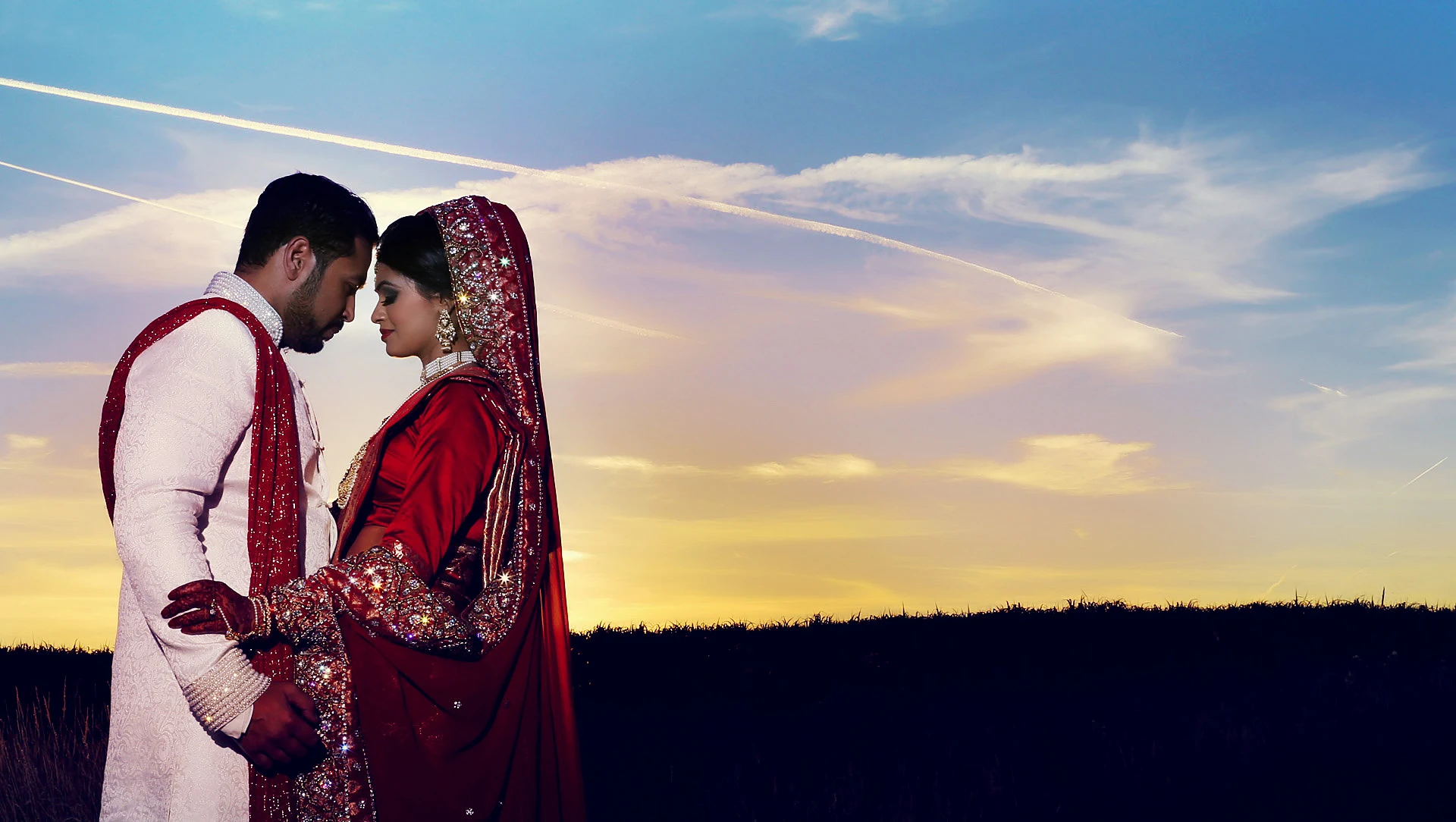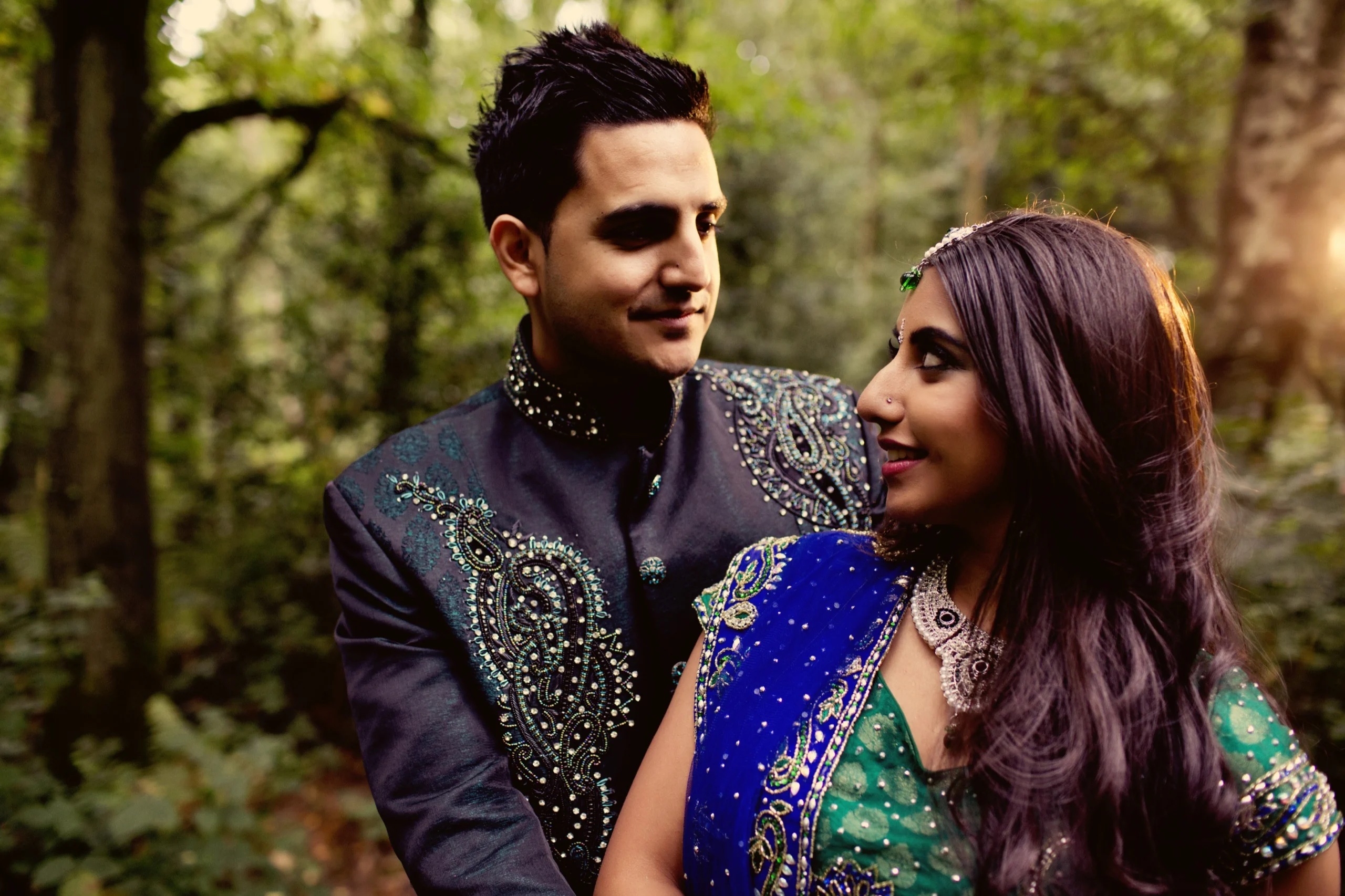
A Hindu wedding is a story told in rituals, each one older than anyone in the room: the turmeric of the haldi, the music of the baraat, the sacred fire at the heart of the mandap. We photograph and film every one of them, with the colour, warmth and meaning they deserve.
No two Hindu weddings are the same. A Gujarati wedding is not a Punjabi wedding, and a Tamil wedding is different again, and every family and every priest brings its own customs. So before your day we sit down with you and talk it through: the order of the ceremony, the names of the rituals in your family, and the people who will play a part in each one. On the day, we already know where to be.
The celebrations, day by day
- The haldi. Turmeric paste, laughter and a lot of yellow, best photographed up close and early in the day.
- Mehndi and sangeet. Henna, family performances and dancing, often the most relaxed nights of the week.
- The baraat. The groom’s procession, with the dhol, the dancing and sometimes a horse or a vintage car, arriving to be welcomed by the bride’s family.
- The reception. Grand entrances, speeches and a dance floor that fills the moment the music starts.
Under the mandap
The ceremony is long, layered and beautiful, and much of it happens in a small space around the sacred fire. We agree our positions with you and your priest in advance, so we can see every ritual without blocking the view of your guests.
- Kanyadaan. The bride’s parents give her hand in marriage, often the most emotional moment of the day for the family.
- Hasta milap and the tying of the knot. The couple’s hands joined and their garments tied together.
- The pheras and saptapadi. The rounds of the sacred fire and the seven steps, each with its own vow.
- Sindoor and mangalsutra. The groom places sindoor in the bride’s parting and ties the mangalsutra, and the couple are married.
- The vidaai. The bride’s farewell to her family, with tears, rice thrown over her shoulder and a great deal of love.
Gujarati, Punjabi and Tamil weddings
Gujarati weddings might include the pithi, the garba and dandiya, and the playful hiding of the groom’s shoes. Punjabi Hindu weddings often share the chooda and kaleere with Sikh families, and the energy of the baraat is legendary. Tamil weddings have their own beautiful rhythm, with the kasi yatra, the oonjal swing and the tying of the thali. We learn your traditions in advance so nothing comes as a surprise, and we cover temple ceremonies within the rules of each mandir.
Hindu wedding films and photography
Our wedding films are shot on cinema cameras that love low light and rich colour, so reds, golds and the glow of the fire look true on screen. See our Hindu wedding in Cheshire and our Hindu and Jewish wedding. Add wedding photography and one team covers it all. Each event is priced on its own: film starts from £1,430 and photography from £830. See also Asian weddings in London and fusion weddings.
Your questions, answered
How long is a Hindu wedding ceremony?
It varies with the family and the priest, from about an hour to several hours. We plan our coverage around your priest’s timings so nothing is missed.
Which events should we book?
Most couples book the ceremony and reception, and many add the haldi, mehndi or sangeet. Each event is priced separately, so you choose what matters most.
Can you photograph inside a mandir?
Usually, yes. Each temple has its own rules, and we always ask in advance and follow them, including removing our shoes and keeping out of the shrine.